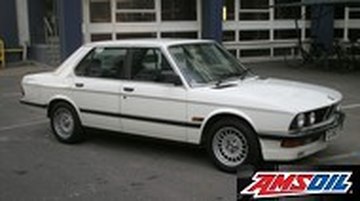
Maintaining Lubrication Standards for the 1982 BMW 528e 2.7L
Proper engine care for a vehicle like the 1982 BMW 528e requires a disciplined approach to fluid maintenance and component inspection. With the M20 B27 engine, maintaining the integrity of the lubrication system is a primary factor in long-term engine health. Because this vehicle represents a specific era of automotive engineering, owners should focus on consistent monitoring and adherence to the technical specifications provided for this exact application.
Monitoring Fluid Integrity and Condition
Regularly checking the condition of engine oil is one of the most effective ways to monitor the internal state of the 2.7L engine. While many owners focus solely on the volume of oil, the physical characteristics of the lubricant can provide important clues about engine operation. When performing a routine check, observe the color and consistency of the fluid.
If the oil appears excessively dark or contains visible particulate matter, it may indicate that the lubricant has reached the end of its effective service life or that the filtration process is being challenged. Furthermore, any unusual odor or a milky appearance in the oil warrants immediate investigation, as these can be associated with various internal conditions. Maintaining a clean and consistent lubrication environment helps prevent the buildup of deposits that can interfere with engine components over time.
Observing Potential Warning Signs
Identifying changes in vehicle behavior early can prevent minor issues from escalating into significant mechanical concerns. For the 1982 BMW 528e, owners should remain vigilant regarding several key indicators:
- Visible Seepage: Periodically inspect the area around the engine for any signs of fluid leakage. Even small amounts of seepage on gaskets or seals should be noted and investigated to ensure they do not lead to significant oil loss.
- Unusual Noises: Any change in the mechanical sound produced by the engine during startup or regular operation can be an indicator that lubrication is not reaching critical areas as intended.
- Changes in Consumption: If you notice that the oil level on the dipstick is dropping more frequently than expected between service intervals, this may indicate unusual lubricant consumption that requires professional diagnosis.
- Indicator Lights: Any illumination of warning lights on the dashboard related to engine operation should be treated with priority and investigated immediately.
It is important to remember that these symptoms can have multiple causes. A single observation, such as a small leak or a change in sound, does not definitively identify a specific failed component but serves as a prompt for a more thorough inspection.
Systematic Inspection of Aging Components
As vehicles age, the materials used in various systems may undergo changes in their physical properties. For an owner of a 1982 model, a proactive approach to inspecting aging components is highly beneficial. Rather than relying on assumptions about what might fail, focus on the current condition of accessible parts.
If equipped, inspect all visible drive belts for signs of deterioration such as cracking, glazing, or fraying. Similarly, check any present hoses for signs of softening, swelling, or brittleness. Electrical connections and wiring harnesses should also be examined for signs of corrosion or damage to the insulation. By addressing these items through regular visual inspections, you can better manage the maintenance needs of the vehicle based on its actual state rather than just its age.
Establishing a Maintenance Baseline
For many owners, especially those who have recently acquired a vehicle like this BMW, establishing a maintenance baseline is a critical first step. If the previous service history is incomplete or unknown, performing a comprehensive inspection and documenting all findings can provide a clear starting point for future care.
This process involves:
- Reviewing any available documentation regarding past repairs, fluid changes, and part replacements.
- Conducting a thorough visual inspection of the engine bay to identify any active leaks or signs of previous neglect.
- Documenting the current condition of all fluids and major service items.
- Creating a personal log to track all future maintenance tasks, including the specific products used and the dates they were applied.
Having a reliable record allows you to distinguish between routine preventive maintenance and necessary repairs, helping you prioritize tasks based on actual vehicle requirements.
Prioritizing Long-Term Engine Care
Effective long-term ownership involves moving from reactive repairs to proactive management. Instead of waiting for a symptom to appear, focus on the consistent application of maintenance tasks that support engine longevity. This means prioritizing active concerns—such as an identified leak or a change in fluid color—before addressing purely cosmetic or non-essential items.
Monitoring changes in how the vehicle operates over months and years is essential. For example, if you notice a gradual increase in the frequency of oil top-offs, this provides a data point that can be used to track a developing trend. By keeping detailed records of these observations alongside your service history, you can make more informed decisions about when to perform deeper mechanical inspections.
Practical Guidance for Buying Engine Oil for the 1982 BMW 528e 2.7L
When it is time to replenish or change the lubricant in your 1982 BMW 528e, selecting a product that aligns with the specific requirements of the M20 B27 engine is vital. To ensure the best results, do not rely on general automotive knowledge or assumptions based on the vehicle's age; instead, match the engine oil to the application-specific viscosity information already displayed on this page.
Before making a purchase, carefully check the product labeling to verify that the oil meets the necessary quality standards. Depending on your specific maintenance goals and the current condition of your engine, you may choose between conventional, synthetic blend, or full synthetic formulations. Some high-mileage oil formulations also contain additives intended for use in aging engines, including seal-conditioning additives. Always prioritize the technical specifications provided in the application information above to ensure the lubricant is appropriate for your exact vehicle.